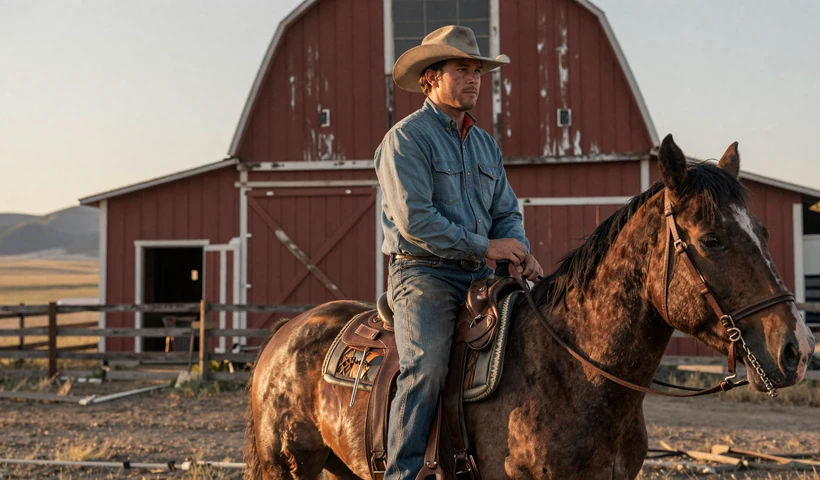
Quick Take: Cowboys Live by the Saddle. Dating a cowboy or cowgirl isn't a costume - it's signing on for a life that runs on horses, livestock, and a sense of duty older than the highway. Here's the short version:
- The horse always eats first. So do the cattle. You're third in line - and that's a feature, not a flaw.
- Words mean something. Cowboys say less and mean more. Plain talk wins; drama gets you tuned out fast.
- Rodeo and ranch run on different calendars. Spring branding, summer hay, fall shipping, winter calving - none of it cares about Valentine's Day.
- Niche apps beat mainstream swiping. Sites like MuchDating and Cowboy Singles put you in front of people who actually own boots that have been worn outside.
Maybe you matched with a Texas team roper on a Lone Star country dating page. Maybe you've been eyeing a Montana cowgirl who runs 400 head of mama cows on her own. Maybe you're a city transplant who finally figured out the rancher at the feed store is the kind of person you've been looking for your whole life. Whatever brought you here, dating a cowboy is one of the most steady, grounded, plain-spoken kinds of love you can find - if you're ready for the rhythm it runs on.
This isn't a Yellowstone fan guide. This is the real article - written for the partners, girlfriends, boyfriends, and future spouses who want to understand what it actually means when somebody tells you "I run cows for a living." Saddle up.
The Cowboy Lifestyle: Beyond the Hat and Boots
A working cowboy isn't a costume - it's a job description that hasn't really changed in 150 years. Cattle have to be moved, fences have to be fixed, calves have to be doctored, and horses have to be conditioned. The hat keeps the sun off, the boots stop your foot from sliding through the stirrup, and the wild rag around the neck pulls double duty as dust mask and bandana. Every piece of the rig has a reason. So does every habit your cowboy keeps.
That same practicality runs through their personal life. Cowboys generally don't waste words, don't perform feelings on social media, and don't see why a relationship needs daily updates from the saddle. If a cowboy says he'll be there Friday at six, he'll be there Friday at six - usually with a clean shirt and a story about whatever the cows did wrong that week. The flip side: don't expect long text threads, romantic poetry, or play-by-play emotional check-ins. That's not him being distant. That's just him.
A cowboy will fix your transmission, gentle your colt, and stand between you and trouble before he ever tells you he loves you. Once he does say it, write it on the wall - he meant it. - Wyoming ranch wife, married 27 years
The same rhythm runs through cowgirl life, too - and the modern American ranch is full of women running their own operations. Don't make the mistake of treating a cowgirl like an accessory. Ask her about her colts. Ask her about her cow herd. Compliment her rope work, not her eyeliner. Country women in the saddle have a low tolerance for partners who don't take the work seriously, and a long memory for ones who do.
Rodeo Circuits, Ranch Schedules, and Real Time Together
If your cowboy ropes, rides broncs, or runs barrels, the calendar gets twice as complicated. PRCA and amateur rodeo seasons stretch from late winter into the National Finals in December, with weekend circuits eating up Friday night through Sunday afternoon for months at a time. Add the ranch work that pays the entry fees, and you're looking at a partner who genuinely doesn't have a "free Saturday" from April to October.
Ranchers without a rodeo card aren't much freer. Spring branding runs late April into May. Hay season starts when the grass is ready, not when the calendar says so. Fall shipping puts cattle on trucks for the feedlot or sale barn. And calving - depending on whether the outfit runs spring or fall calvers - can mean six to eight weeks of getting up every two hours through the dark. The Oklahoma rancher Landon Heaton, who appeared on FOX's Farmer Wants a Wife, summed it up plainly when explaining why his relationships had faded over the years:
Why am I gonna go out to the bars when I gotta wake up at six in the morning and go check calves? - Landon Heaton, 35-year-old Oklahoma rancher
That's not him being unromantic. That's him being responsible to 700 acres and a herd that depends on him. Partners who thrive learn to plan around the work instead of competing with it. Date night becomes Sunday afternoon instead of Friday evening. Dinner becomes a casserole brought to the calving shed at midnight. Anniversaries get celebrated the week after weaning, not the day of. For more on the underlying farming calendar that drives all of this, our piece on seasonal dating challenges for farmers walks through every busy stretch month by month.
The rodeo weekend rule: If he's roping, don't expect a phone call between the time he draws his calf and the time he loads the horse trailer for home. He's either visualizing the run or replaying it. Either way, he's a long way from texting.
What to Expect From a Cowboy or Cowgirl
Strip away the costume and the country-music tropes, and you're left with four traits that show up in nearly every working cowboy and cowgirl we know. These are the things partners learn to count on - and the things you ought to be looking for if a single cowboy or cowgirl is what you're after.
Grit and Endurance
Twenty-hour calving days, 110-degree branding pens, and broken equipment in the rain. Cowboys finish what they start - including hard conversations.
Bone-Deep Loyalty
Loyal to the brand, the outfit, the family, and once you earn it - to you. Cheating is a deal-breaker in cowboy culture, full stop.
Animal Stewardship
A good cowboy reads cattle and horses better than he reads people. That same attentiveness usually shows up in how he treats kids, dogs, and you.
Plain Talk
No corporate hedging, no passive-aggressive games. Yes means yes, no means no, and "we need to talk" almost always means about the truck.
Here's where it gets interesting: those same traits that make cowboys steady partners also make them slow to open up. Most have been kicked, stomped, divorced, or all three by the time they hit 35. Don't take quiet for cold. Bring food, ask about the horses, let the conversation breathe, and you'll be surprised how much shows up over a few months.
Building Partnership on the Ranch
The ranch couples who last aren't the ones who keep their lives separate. They're the ones who weave the relationship into the work. Here's a four-step playbook for partners who want to build something real with a cowboy or cowgirl.
Show Up at the Barn
Bring coffee at 5 a.m. Hold a horse for the farrier. Help vaccinate calves. Presence at the work outweighs presence at the dinner table every time.
Learn the Language
Heifer, gelding, salt block, hay net, headgate. You don't have to be an expert - you just have to stop calling everything "the cow thing."
Cook Like You Mean It
Hot meals, big portions, real coffee. A cowboy who's been horseback since dawn isn't looking for charcuterie. Casseroles, chili, and pie carry the day.
Plan the Slow Season
January and February are when ranch country falls in love. That's the window for weddings, vacations, and big conversations. Use it.
The bottom line: a cowboy partnership is built one shared chore at a time. The Hollywood version sells horseback rides at sunset. The real version is two people leaning on a corral panel at dusk, dirty and tired, watching the cows settle, agreeing they wouldn't trade this for anything.
Where Cowboys and Cowgirls Are
Cowboy country isn't everywhere - it's concentrated where the cattle are. If you're serious about meeting a single cowboy or cowgirl, start in the regions where the lifestyle is still the everyday norm.